✦  Proudly First Nations Owned  ✦

Far West
Coast Peoples.

Traditional Custodians of the far south-west of South Australia — six cultural groups united across 75,249 km² of coastal and desert country from the WA border to Streaky Bay. And owners of Jina Rent a Car.

Acknowledgement of Country. Jina Rent a Car acknowledges the Traditional Custodians of all the countries on which we operate — including the Far West Coast peoples, the Yindjibarndi Nation, and all First Nations groups whose country our locations, routes and operations pass through. We pay our respects to Elders past, present and emerging, and acknowledge that sovereignty was never ceded.

Country

The Far West Coast

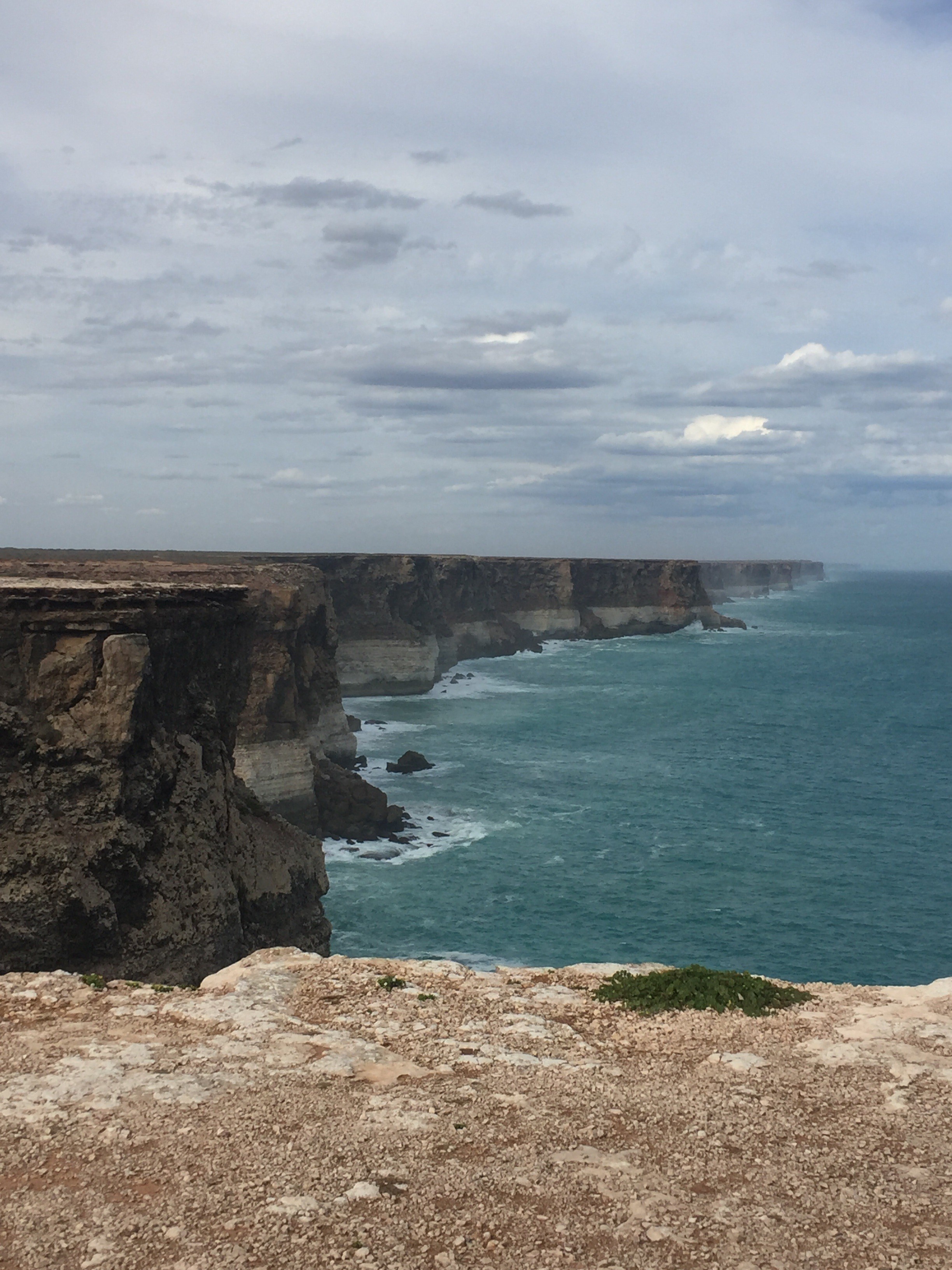
The Far West Coast peoples are the Traditional Custodians of one of Australia's most remote and remarkable stretches of country — the far south-west of South Australia, running from the South Australian–Western Australian border eastward to around Streaky Bay, and northward to Tarcoola. This is the edge of the continent: where the Nullarbor Plain meets the Great Australian Bight, where ancient desert meets ancient sea.

The country is vast and varied. The Nullarbor Plain — one of the largest flat expanses of limestone on earth — gives way to rolling red sand dunes, then white coastal dunes, then the sheer cliffs and wild waters of the Bight. Inland, saltlakes, soaks and sandhills mark a landscape that demands intimate knowledge to navigate and survive. The Far West Coast peoples have held that knowledge across thousands of generations.

The sea is central to Far West Coast identity and culture. The Mirning people are known as the people of the whale — they have songs they sing to southern right whales that gather along the Bight. Seafood and fishing are woven into the cultural and social fabric of life on the Far West Coast: wanna ma (coastal food) including razor fish, blue swimmer crabs, mussels, oysters, abalone and fish from the beaches and jetties have sustained communities here for millennia.

The Nullarbor turns to rolling red sand dunes, which become the white coastal dunes of sea country. This diversity means we have a lot of great stories to tell.

The country also holds some of Australia's most significant archaeological and cultural sites. Koonalda Cave, a sacred site on the Nullarbor, is one of the oldest known sites of human occupation and artistic expression on the continent. Allen's Cave — near the coast — has been occupied for at least 40,000 years, making it one of the earliest known occupation sites in South Australia. These are not relics. They are living parts of a culture that continues.

Traditional CountrySA–WA border to Streaky Bay, north to Tarcoola — far south-west South Australia
Native Title75,249 km² — Federal Court determination, 5 December 2013
Cultural GroupsSix groups: Mirning, Wirangu, Kokatha, Maralinga Tjarutja, Yalata, and descendants of Edward Roberts
CommunitiesOak Valley, Yalata, Scotdesco, Koonibba and Ceduna
OccupationAllen's Cave occupied for at least 40,000 years — among the earliest known sites in SA
LanguagesMirning, Wirangu and Kokatha — endangered languages currently being revitalised
The Six Cultural Groups

One Nation,
Six Peoples

The Far West Coast Native Title Claim was the result of a landmark decision made at Spear Creek, where six distinct cultural groups came together to form a unified claim. That decision — to pursue native title collectively rather than separately — reflects a spirit of cooperation and shared purpose that continues to define how the Far West Coast peoples govern their country today. Equal representation from all six groups is maintained in the governing structure of the Far West Coast Aboriginal Corporation.

Mirning
The people of the whale — known for their deep relationship with the southern right whales of the Bight, and their songs that have called to these animals for generations. Their country runs along the western stretches of the Far West Coast.
Wirangu
Traditional Custodians of country around Ceduna and the central Far West Coast. The sea lion and sea eagle are important totems for the Wirangu people, and they hold sacred fishing spots and beaches across the region.
Kokatha
Custodians of country extending inland from the coast. The Kokatha language — like Mirning and Wirangu — is endangered and is the subject of active revitalisation efforts by the Far West Coast community.
Maralinga Tjarutja
Also known as the Oak Valley group — Traditional Custodians of country that includes the Maralinga lands, a region with a profound and painful history as the site of British nuclear testing between 1956 and 1963.
Yalata
The Yalata community is home to many Anangu people — traditional owners who were displaced from the Maralinga lands during the nuclear testing era. The Yalata community continues to maintain strong cultural connections to country.
Descendants of Edward Roberts
The sixth group within the Far West Coast Native Title Claim — recognised by the Court as holding native title rights and interests in the determination area, with many members affiliated with more than one cultural group.
History & Native Title

Recognition
& Rights

The history of the Far West Coast peoples under colonisation is one of displacement, dispossession and resilience. The frontier reached this part of South Australia through pastoral expansion in the late 19th century, followed by the establishment of mission stations at Koonibba (1901) and the later displacement of Anangu people from the Maralinga lands during British nuclear testing in the 1950s and 1960s — one of the most significant acts of forced removal in Australian history.

The Maralinga tests exposed Aboriginal people to radiation and displaced communities from country they had lived on for thousands of years. Cleanup and partial remediation of the Maralinga site occurred in the 1990s, but the cultural and health impacts on the Maralinga Tjarutja people continue to this day. The right of return to country — and the ability to use and care for it safely — remains an ongoing concern for affected community members.

Despite this history, the Far West Coast peoples maintained their connection to country, their laws and their customs. When the Native Title Act came into force in 1993, the path opened for that connection to be formally recognised. The process was long and complex — involving the amalgamation of five previously separate and overlapping claims — but the unified claim submitted on 4 January 2006 ultimately succeeded.

On 5 December 2013, the Federal Court of Australia made orders by consent recognising the Far West Coast Native Title Claim Group's rights and interests over approximately 75,249 km² of South Australia — one of the largest native title determinations in the state's history. The determination recognised the group's rights to access, hunt, fish, camp, gather and use natural resources, undertake cultural activities, conduct ceremonies and meetings, and protect places of cultural and religious significance.

The determination covers a vast area of land between the Western Australian border and Tarcoola to the north, and around Streaky Bay to the south — including sacred sites, Aboriginal land trust holdings, and the sea country of the Great Australian Bight.

In 2016, the traditional owners filed a further claim to have native title over the seas of the Far West Coast recognised — a significant step that would give the community greater control over the fisheries and sea country that are so central to their culture and livelihoods.
40,000+ BP

Continuous Occupation

Allen's Cave occupied for at least 40,000 years. Koonalda Cave on the Nullarbor is among the oldest sites of human artistic expression in Australia.

1901

Koonibba Mission

Lutheran mission established at Koonibba — part of the broader colonial displacement of Far West Coast peoples from their traditional country.

1956–63

Maralinga Nuclear Tests

British nuclear weapons tested at Maralinga. Maralinga Tjarutja and Yalata peoples forcibly displaced from country. Lasting health and cultural impacts on affected communities.

1993

Native Title Act

The Mabo decision and Native Title Act open the legal pathway for Far West Coast peoples to pursue formal recognition of their rights.

Spear Creek

United Claim Decision

A landmark decision at Spear Creek — the six cultural groups agree to form a unified native title claim, establishing the equal representation model that governs the FWCAC today.

2013

Native Title Determination

Federal Court recognises native title over 75,249 km² of South Australia — one of the largest determinations in the state's history. Rights include access, fishing, ceremony and site protection.

2016

Sea Country Claim

Far West Coast traditional owners file a native title claim over the seas of the Far West Coast — seeking formal recognition of their rights over the fisheries and waters of the Bight.

Connection to Jina

In the Far West Coast language groups, the word for foot is Djina — carrying the same meaning as jina in the Yindjibarndi language. A footprint left on country. A mark of presence, of belonging, of ongoing connection to the land beneath your feet.

That the same word — with the same meaning — exists in both language groups is the reason it was chosen as the name for this business. Jina / Djina bridges the two ownership groups and the two vast stretches of Australian country they are custodians of.

Jina Rent a Car operates from Ceduna Airport — a gateway to the Far West Coast and a critical access point for the communities, service workers, government agencies and resource companies that operate in the region. The Far West Coast peoples' ownership of Jina ensures that economic activity passing through their country generates real returns for their community.

Our Ownership
Far West Coast Aboriginal Corporation

The Governing Body

The Far West Coast Aboriginal Corporation (FWCAC) is the Registered Native Title Body Corporate (RNTBC) for the Far West Coast Native Title Claim Group. It manages Far West Coast country on behalf of the six cultural groups whose combined native title was determined by the Federal Court in 2013.

The FWCAC is governed by a board of twelve directors — two directors elected from each of the six cultural groups. This equal representation structure was established at Spear Creek and remains the foundation of how the Far West Coast peoples make decisions together. It ensures that no single group can dominate, and that the diversity of the six peoples is reflected in every decision the corporation makes.

The FWCAC has over 1,500 members, drawn from Far West Coast communities across the region and beyond — including many community members who have moved to Adelaide and other cities but maintain their connection to country and to the corporation.

Visit Far West Coast Aboriginal Corporation

The FWCAC's work spans native title administration, country management, cultural heritage protection, ranger programs and economic development. The corporation's rangers work across the Nullarbor, the coastal dunes and the sea country — caring for country, monitoring cultural sites, and supporting the co-management of parks and reserves across the determination area.

The FWCAC also coordinates with the Nullarbor Parks Advisory Committee and the Yumbarra Co-management Board on the management of national parks within the native title area — ensuring that Far West Coast peoples have a direct role in how their country is protected and managed.

For organisations operating in or travelling through the Far West Coast — whether for resource projects, government services or any other purpose — the FWCAC is the primary point of engagement for the country and its traditional owners.